Why The Snatch Matters
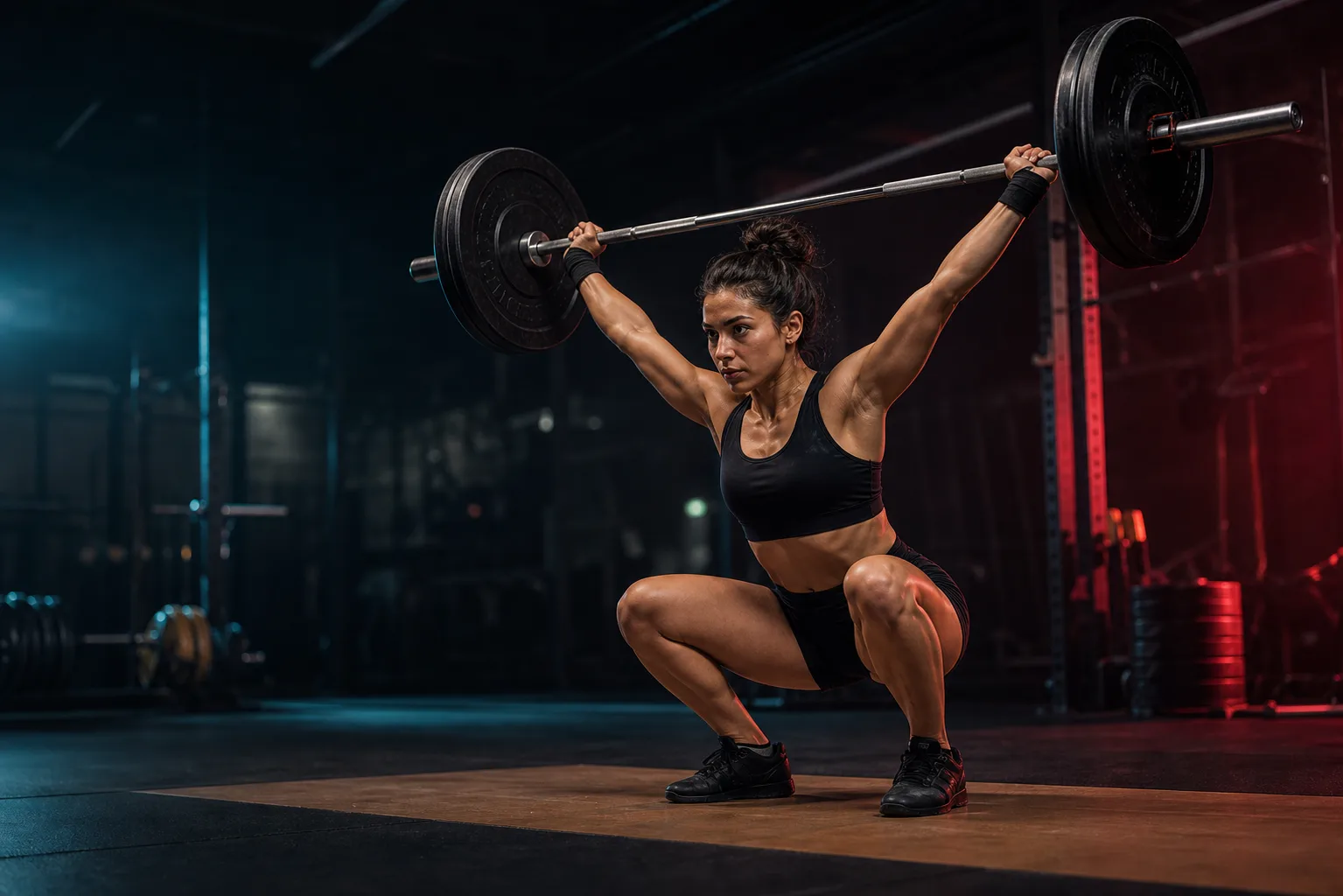
The snatch exposes everything. Position, patience, speed, mobility, timing, and confidence all show up in one lift.
That does not mean it should be reserved for elite lifters. It means the movement needs to be taught with progression, restraint, and an eye for the detail that matters.
Own The Setup
Most missed lifts begin before the bar leaves the floor. Foot pressure, grip width, back angle, and lat tension all set the route the bar is going to take.
The goal is not a dramatic start position. The goal is a start position you can reproduce.
- Feet under the hips with balanced pressure.
- Bar close enough to control, not so close it drags you forward.
- Shoulders set, lats engaged, eyes fixed.
Pull, Extend, Then Turn Over
Rushing the turnover is one of the most common errors. The bar needs time to move through the right positions before you pull yourself under it.
Think of the lift as a sequence: push the floor, keep the bar close, extend hard, then move under with commitment.
Why Coaching Changes The Lift
You can watch videos, but you cannot see everything from inside your own lift. A coach can spot whether the miss is caused by the floor, the hip, the catch, or the decision before the attempt.
That is why lower-count sessions matter. Olympic lifting improves faster when there is room for feedback.
- Keep loads technical while positions improve.
- Use complexes to build timing.
- Stop sets before misses become the habit.